


The Rise of Intelligent Systems in Modern Science
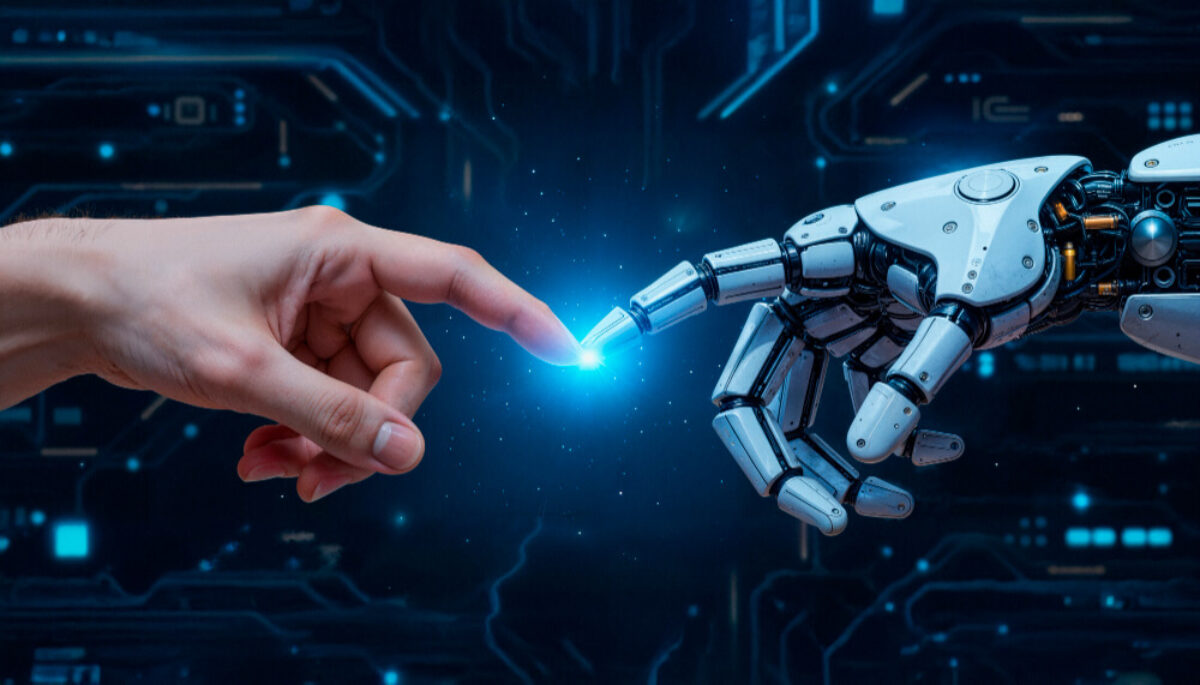
The evolution of intelligent systems is transforming how we approach science, technology, and problem-solving. From machine learning models to automated decision-making systems, intelligence is no longer limited to human cognition. Today, data-driven systems are capable of analyzing patterns, predicting outcomes, and assisting in complex discoveries across multiple domains.
At Steiger Sciences, this shift represents more than just technological advancement—it marks the beginning of a new era where curiosity, data, and algorithms work together to build meaningful solutions. This blog explores how intelligent systems are reshaping modern scientific exploration.
Understanding Intelligent Systems
Intelligent systems combine data, algorithms, and computational power to simulate decision-making and learning processes. These systems are designed to improve over time by identifying patterns and adapting to new inputs. From recommendation engines to predictive analytics, intelligent systems are becoming a core component of modern digital infrastructure.
Their ability to process vast amounts of information enables faster insights and more accurate predictions, making them invaluable in fields such as healthcare, finance, engineering, and scientific research.
The Role of Data in Innovation
Data is the foundation of every intelligent system. High-quality, structured, and meaningful data allows systems to learn effectively and produce reliable outputs. Without data, even the most advanced algorithms fail to deliver value.
Modern innovation relies on collecting, analyzing, and interpreting data to uncover hidden insights. This process enables researchers and developers to make informed decisions, optimize processes, and create solutions that are both efficient and scalable.
Applications Across Industries
Intelligent systems are widely used across industries to solve real-world challenges. In healthcare, they assist in diagnosis and patient monitoring. In finance, they detect fraud and optimize trading strategies. In engineering, they enhance design and automation processes.
These applications demonstrate how intelligence embedded in systems can significantly improve accuracy, efficiency, and overall performance, driving progress across sectors.
Challenges and Limitations
Despite their advantages, intelligent systems come with challenges such as data privacy concerns, algorithmic bias, and high computational requirements. Ensuring transparency, fairness, and ethical usage remains a critical aspect of development.
Addressing these limitations requires a balanced approach that combines technical expertise with responsible innovation, ensuring that technology benefits society as a whole.
The Future of Intelligent Science
The future lies in integrating intelligent systems deeper into scientific workflows. From automated experiments to real-time simulations, the possibilities are expanding rapidly. These advancements will enable faster discoveries and more precise solutions to global challenges.
As technology continues to evolve, the collaboration between human creativity and machine intelligence will define the next generation of innovation.
Conclusion
Intelligent systems are redefining how we explore, understand, and innovate. By combining data, algorithms, and scientific thinking, they unlock new possibilities and accelerate progress across disciplines.
At Steiger Sciences, the focus remains on exploring these possibilities, building meaningful systems, and sharing insights that contribute to a smarter and more innovative future.