

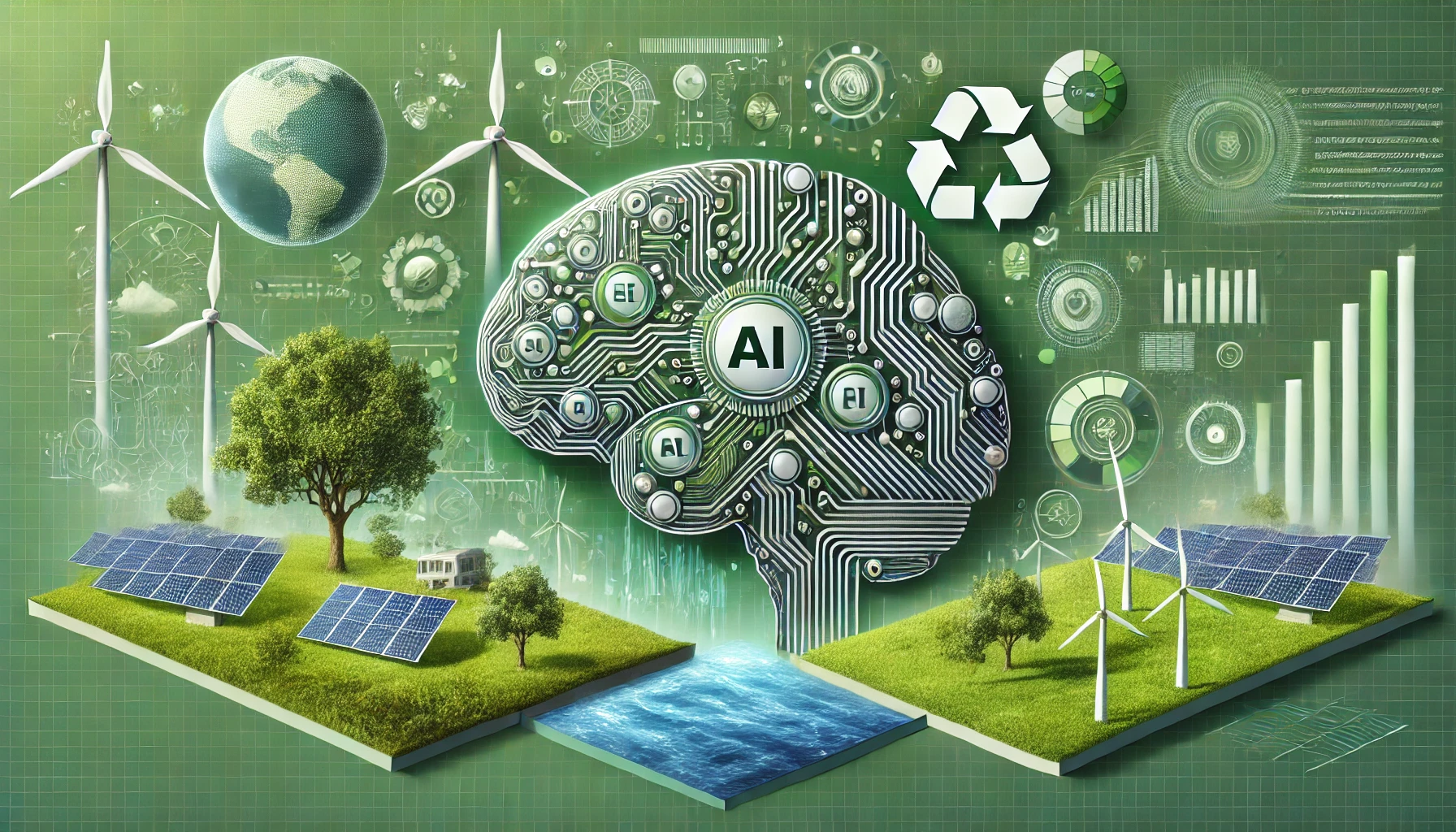
The Impact of Artificial Intelligence on Environmental Sustainability

Artificial Intelligence (AI) is rapidly becoming a powerful tool in the fight for environmental sustainability. By enabling intelligent monitoring, predictive modeling, and optimized resource management, AI is helping to tackle some of the most pressing ecological challenges of our time. From climate change prediction to waste management, AI-driven solutions provide actionable insights that were previously unattainable through traditional methods. The integration of AI into environmental research and operations is accelerating the path toward a greener, more sustainable future.
Environmental systems are inherently complex, involving countless interacting variables, from weather patterns to biodiversity metrics. AI’s ability to process massive datasets and detect hidden correlations allows scientists and policymakers to understand these systems at unprecedented depth. By combining machine learning algorithms with real-time sensor data, AI can provide early warnings of ecological threats, optimize energy usage, and improve the management of natural resources on a global scale.
AI in Climate Monitoring and Prediction
One of the most critical applications of AI in environmental sustainability is climate monitoring. AI algorithms can analyze enormous amounts of meteorological and satellite data to identify patterns in temperature fluctuations, ocean currents, and extreme weather events. By predicting climate trends and potential disasters, AI equips scientists and governments with the tools to prepare and mitigate adverse outcomes. This proactive approach is crucial for protecting vulnerable ecosystems, reducing economic losses, and safeguarding communities from climate-related crises.
Furthermore, AI models can simulate various climate scenarios, enabling policymakers to understand the potential consequences of different interventions. For example, machine learning can forecast the effects of carbon emission reductions or renewable energy adoption, providing evidence-based guidance for sustainable decision-making. These insights help prioritize actions and allocate resources where they will have the greatest impact.
Optimizing Resource Management
Efficient management of natural resources is essential for sustainability, and AI is transforming this process across multiple domains. In agriculture, AI-powered systems can analyze soil quality, weather conditions, and crop health to optimize irrigation, fertilization, and harvesting schedules. This reduces water waste, minimizes chemical runoff, and increases overall crop yields, creating a more sustainable and resilient food supply chain.
Similarly, in energy management, AI is used to predict demand, optimize grid performance, and integrate renewable energy sources more effectively. By balancing consumption and generation, AI reduces energy waste and supports the transition to low-carbon energy systems. These applications illustrate how intelligent algorithms can help humans steward natural resources more responsibly and sustainably.
Monitoring Biodiversity and Ecosystems
AI is also playing a transformative role in conserving biodiversity and monitoring ecosystems. Through the analysis of satellite imagery, drones, and sensor networks, AI can track deforestation, habitat degradation, and wildlife populations. Machine learning models can identify endangered species, detect illegal poaching activities, and monitor ecosystem health in real-time. This capability empowers conservationists to respond faster and implement targeted interventions to protect critical habitats.
Beyond tracking, AI assists in modeling ecological interactions and predicting the effects of environmental changes on biodiversity. By understanding how species respond to climate variations, human activity, and invasive species, researchers can develop strategies that promote ecosystem resilience and support long-term sustainability goals.
Waste Reduction and Circular Economy
AI contributes to sustainability by optimizing waste management and promoting a circular economy. Intelligent sorting systems powered by computer vision can automatically classify recyclable materials, separate hazardous waste, and identify opportunities for material reuse. AI-driven logistics optimize collection routes and recycling operations, reducing fuel consumption and operational costs. These advancements make recycling more efficient and economically viable, encouraging wider adoption of sustainable practices across industries.
Additionally, predictive analytics powered by AI can anticipate consumption patterns, enabling companies and municipalities to reduce overproduction and minimize environmental footprints. By aligning production with actual demand and facilitating the reuse of materials, AI supports a more circular approach to resource utilization, contributing to a sustainable economic system.
Conclusion
The integration of artificial intelligence into environmental sustainability initiatives is revolutionizing the way we understand, protect, and manage our planet. From climate prediction and resource optimization to biodiversity conservation and waste reduction, AI provides the insights and tools needed to address complex environmental challenges. Steiger Sciences is committed to exploring these technologies, advancing intelligent solutions that help build a greener, more sustainable future for generations to come.